Shincha benitachiwase 2026
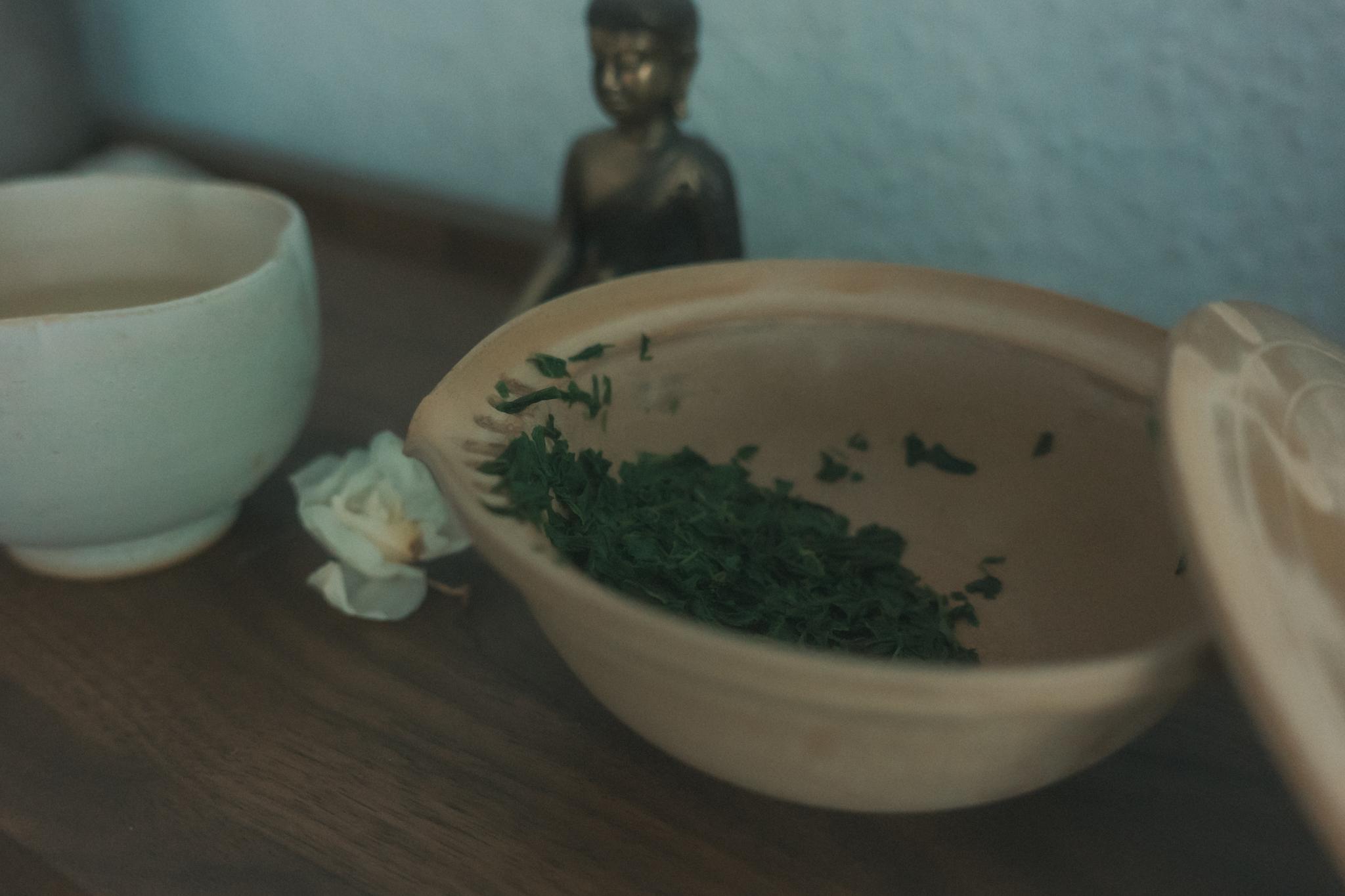
This year's shincha is an unusual one.
Harvested in April, this niche tea cultivar is called benitachiwase (ベニタチワセ), and it's commonly processed into black tea, but this is a shincha - a first flush green tea, you could say - so I have no idea what to expect. Let's dive in.
The tea came in an unlabeled, vacuum-sealed package, so sadly I don't know which specific tea farm produced it. I was only able to narrow it down to the Shibushi area in Kagoshima Prefecture, Kyushu.
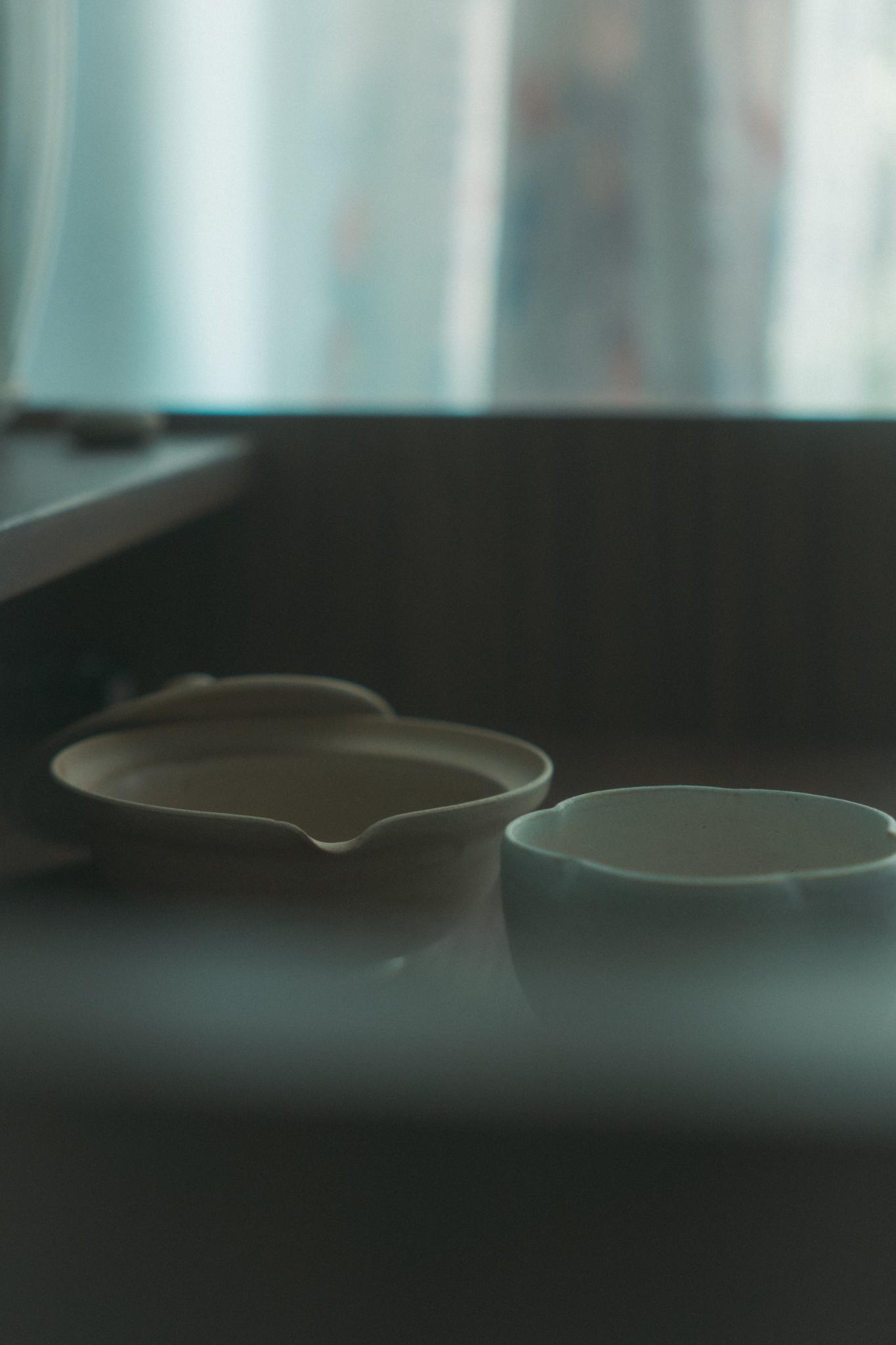
Right out of the bag, the scent is sweet and grassy, though not very strong. The leaves remind me of any other good quality sencha: irregular, thick needles with a dark green colour.
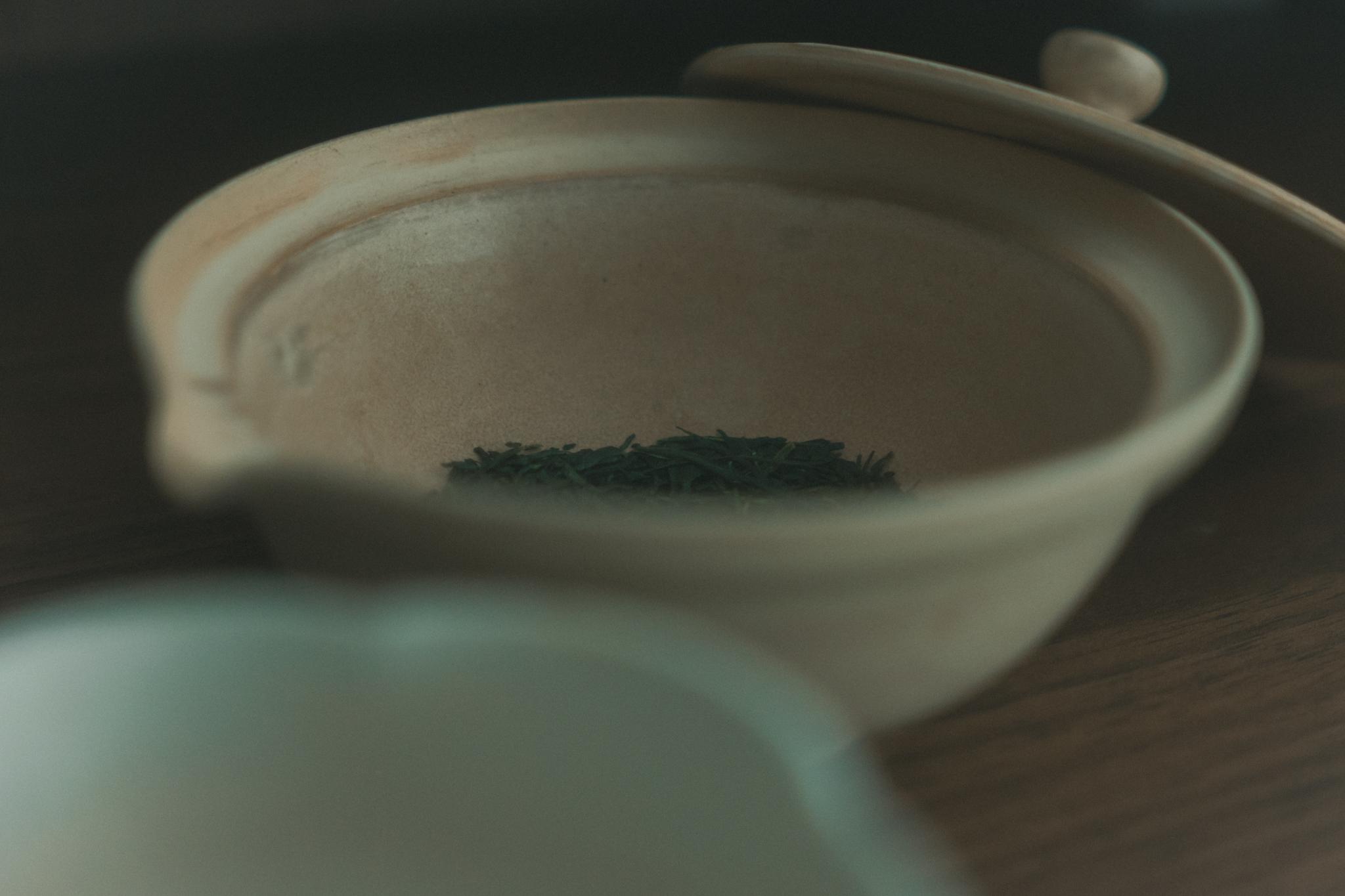
The first two steeps were very similar. The aroma was lightly grassy and citrusy, with stronger vegetable notes. As for the taste, the first thing that stands out is the bitterness. It's pleasant, tangy, and lingers for a while. The umami is there, but it's quite subtle - this is not a gyokuro style broth. Overall, it's not very sweet, but rather refreshing, but no noticeable fruitiness.
Note: I prepared all steeps at 70°C. Reducing the temperature to 65°C softens the bitterness, so it's worth experimenting if that's more to your taste.
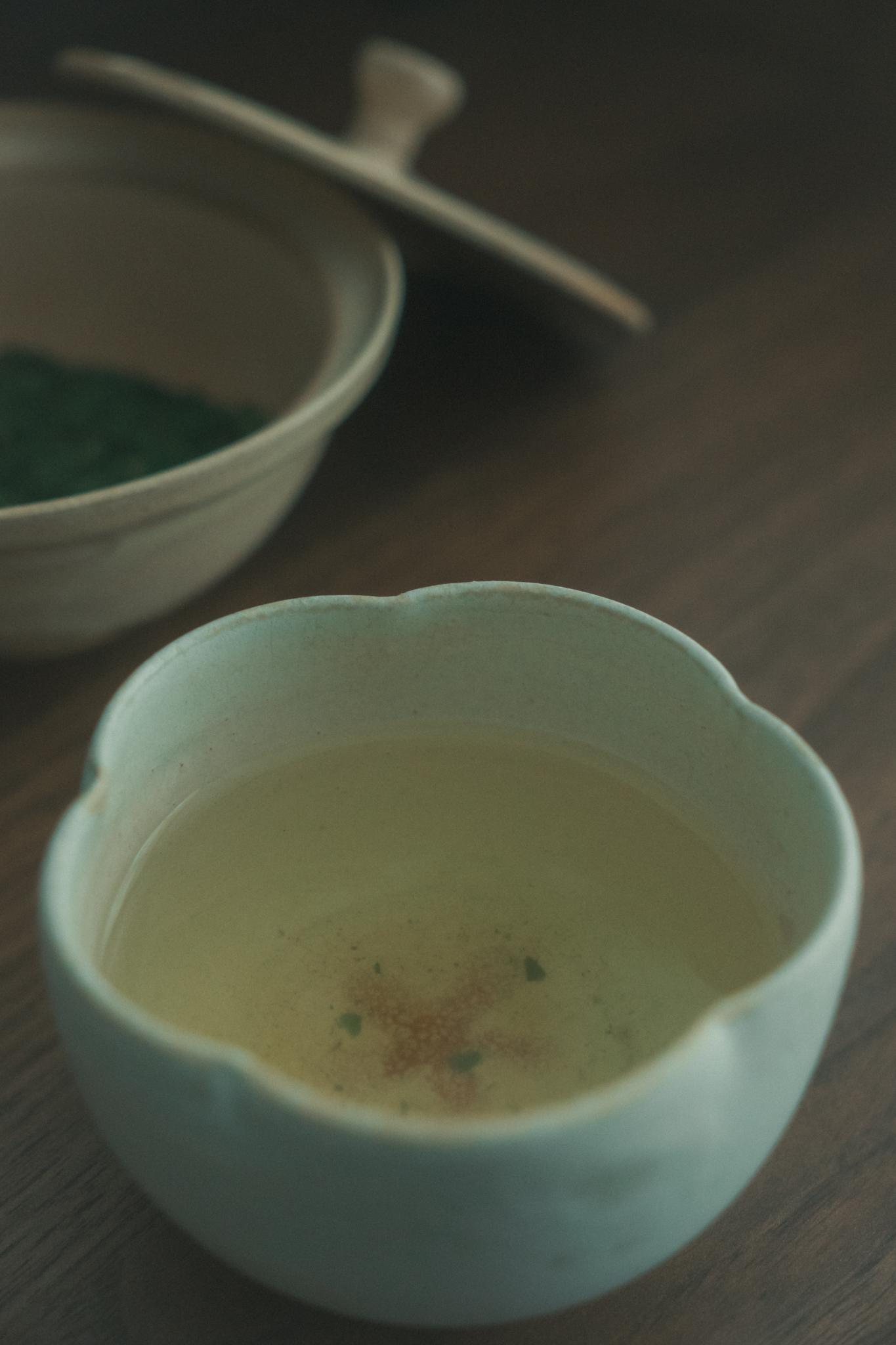
The third steep came as a bit of a surprise. In the aroma, grassy and even slightly sea notes took over from the vegetables. The taste became much milder, with the bitterness fading quickly. Just like the aroma, it shifted toward more traditional sencha notes - grass and almonds. It's a very drinkable tea and might make a great companion to some small sweets on the side.
The fourth and final brew was quite weak, with almost no bitterness left. At this point, not much is going on, so next time I'll probably stop after the third steep.
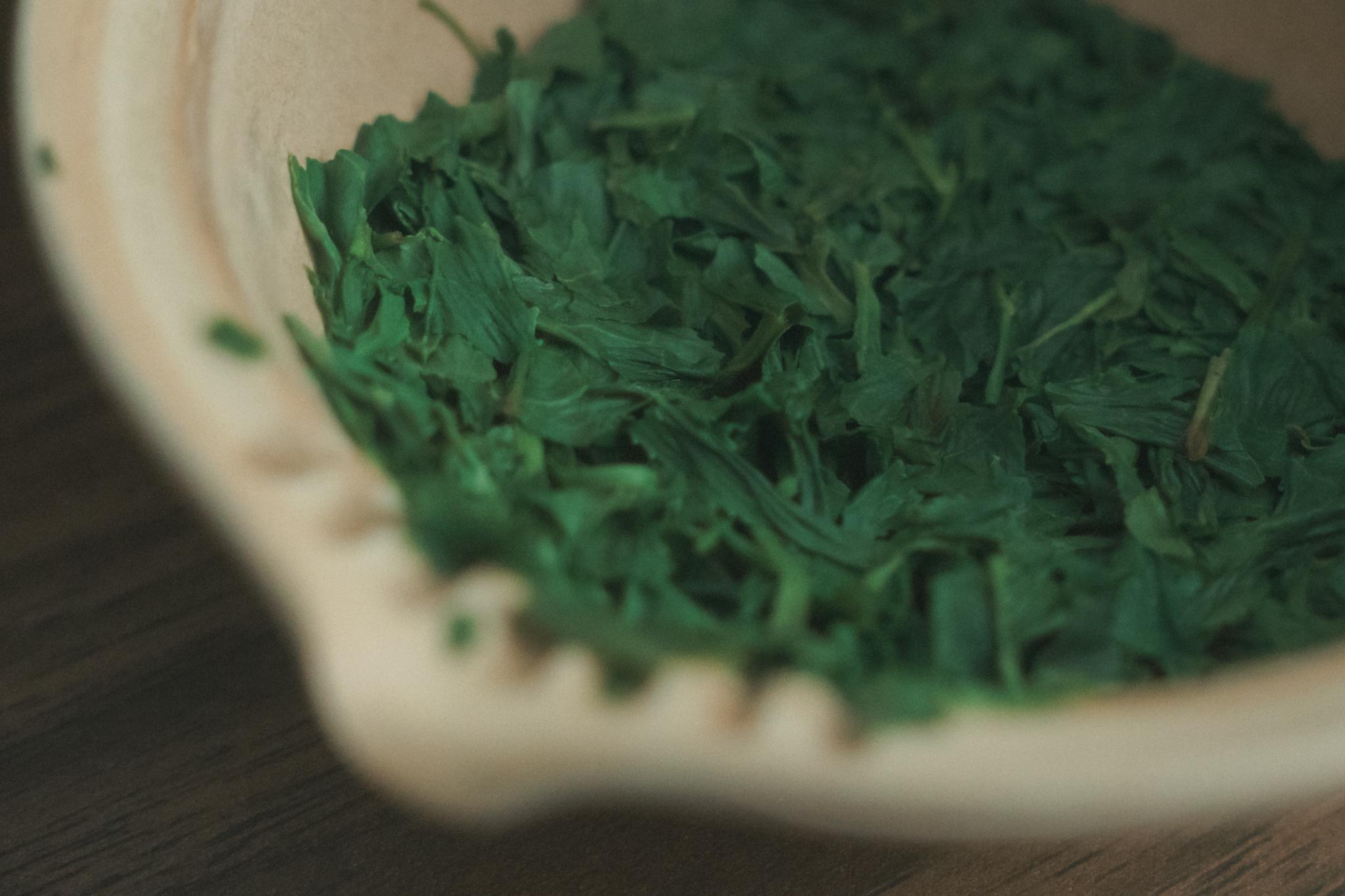
It's undoubtedly a sencha, but one with the spirit of a black tea - quite unusual. Because of its tartness, which is more akin to black tea than sencha, it won't be for everyone. If you're looking for the sweetness of a classic sencha, this simply isn't it.
By the way, you can keep the leaves after you're done brewing the tea. They pair really well with a little ponzu sauce.
Thank you for reading.